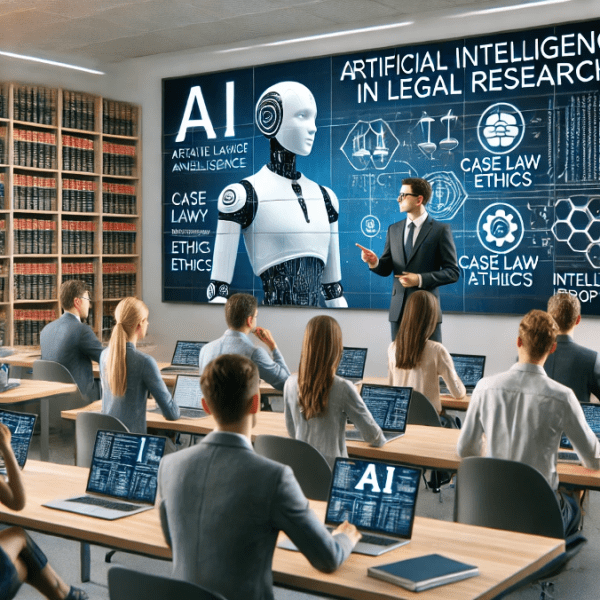
It is often said that Artificial Intelligence will not replace attorneys, rather attorneys who fail to embrace AI may be left behind. In this article, Noor Ghuniem explores the importance of integrating AI into legal education, the methods by which integration may occur, and the potential consequences of failing to adapt.
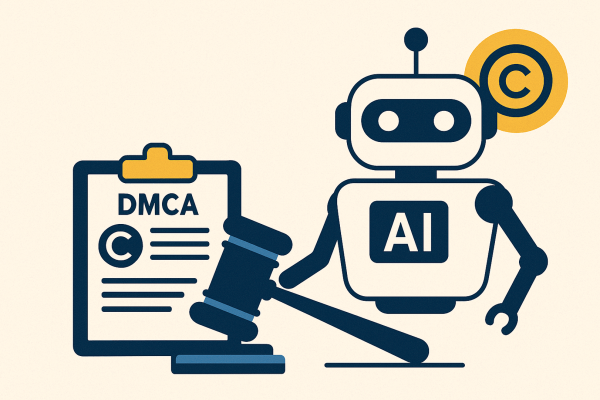
The AI Millennium: How the DMCA Handles Artificial Intelligence’s Myriad Copyright Issues
In this article, Jackson Weist explores the critiques of copyright law as it relates to technology, specifically artificial intelligence, and how the DMCA may not be sufficient to resolve these issues.
The E-SIGN Act in the Age of Smart Contracts and AI: Challenges and Opportunities
In this article, Porter Richards examines whether the current state of the E-SIGN Act is viable in the age of smart contracts. He argues that while the E-SIGN Act ensures enforceability and consumer protections, emerging smart contracts, and AI-driven agreements challenge its applicability. As these technologies evolve, legal updates may be needed to address consent, transparency, and enforcement in automated digital contracts.
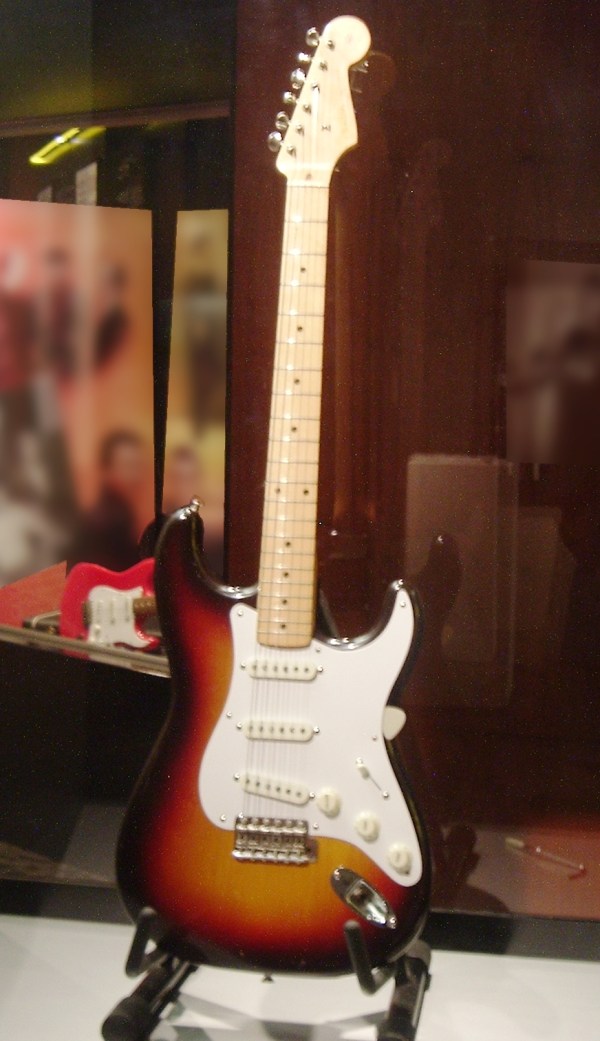
Says the Texas Statutory Right of Publicity: “I Look Just Like Buddy Holly”
In this article, Connor Frankhouser discusses how Buddy Holly changed rock ’n’ roll and–thanks to his widow–he also changed Texas law. This new piece dives into how the legacies of our favorite artists are posthumously protected–or not–in a rapidly evolving digital landscape.
AI Discrimination: How Data Security Law Might Be the Solution
In this article, Sarah Saadeh discusses the dangers of AI biases and current regulation surrounding the area. The image for this article was AI Generated by asking the AI to give an image of a ‘stunning woman’.
If the Inventor is No Longer Human, Then What?: How the USPTO is Addressing AI Assisted Inventions
In this article, Ivette Rodriguez discusses how the USPTO is establishing a framework for patent applicants and examiners in cases where the inventor is listed as a Generative AI system in response to Executive Order 14110.