In this article, Porter Richards examines the IRS’s use of the John Doe Summons and its implications for Fourth Amendment privacy rights. He argues that while courts have upheld these summonses under the third-party doctrine, the rise of digital financial data challenges this framework. As technology evolves, stricter judicial oversight may be needed to balance tax enforcement with constitutional protections.
A Copyright Story You Can Sink Your Teeth Into: The Intellectual Property Journey of Vampires
In this article, Jen Neal discusses how vampires changed from ghastly ghouls of lore to the mysterious elites we think of today. The copyright journey of the archetypal vampire in literature, film, and beyond. Classic vampire tropes have permeated public perception to a point that they should be public domain.
You Wouldn’t Help Someone Download a Car: Contributory Infringement as a Doctrine to Combat Online Music Piracy
In this article, Jackson Weist details an ongoing copyright infringement case between major music labels and Verizon, and how the law allows the labels to sue Verizon despite no direct copyright infringement.
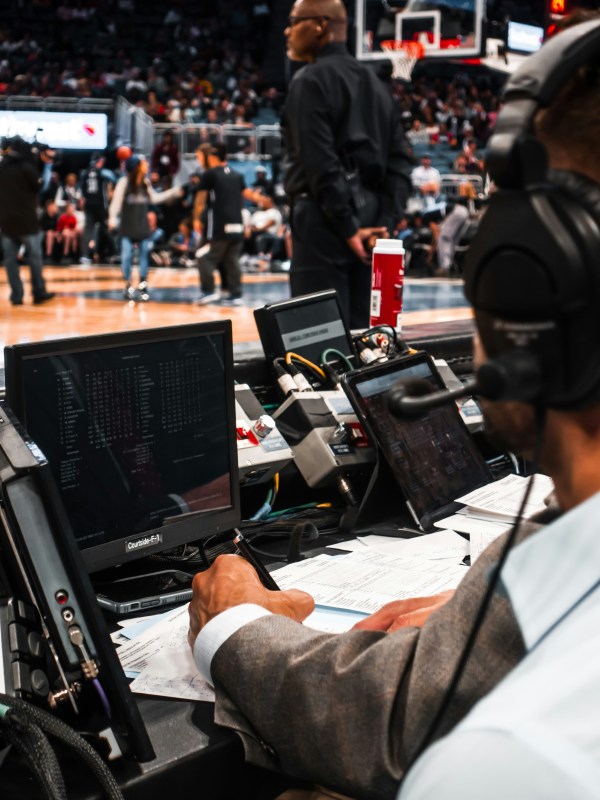
StreamEast: A Story of Remedies and Rebirth
In this article, Cassidy Serger discusses the recent domain seizure of a popular sports broadcasting site as (un)authorized by Copyright Law.
Politics Playlist: A History of Music Licensing for Political Campaigns
In this article, Jackson Weist details the history of music licensing for political campaigns and how artists have fought to have their songs removed from campaigns they disagree with.
Copyright in the Age of Blockchain: A New Era for Creators
In this article, Porter Richards examines the challenges of managing copyright in the digital age, including unclear ownership, high transaction costs, and unfair compensation for creators. He argues that blockchain offers a potential solution through its decentralized, transparent, and tamper-resistant structure, which could streamline licensing and ensure fair compensation through smart contracts.