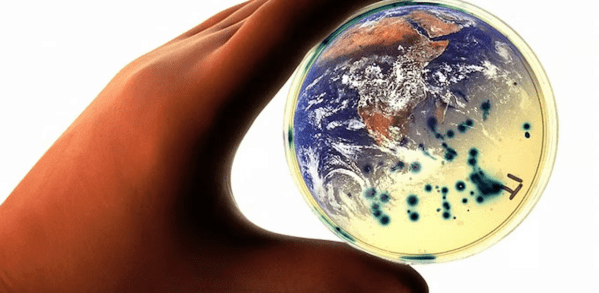
In this blog, Lana El-Etr examines the legal and ethical implications of patenting fully synthetic minimal cells, organisms engineered with only the essential genes for life. While a few Supreme Court decisions provide some guidance, this blog argues for updated patent standards that clearly define what qualifies as synthetic and patentable, guard against monopolization of foundational biological tools, and promote equitable access to medical and biotechnological advancements.
Protecting American Interests in Algorithmic IP: Lessons from the Protecting Americans from Foreign Adversary Controlled Applications Act (PAFACA)
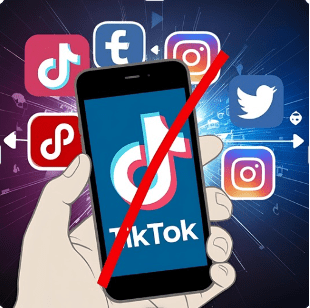
In this blog, Porter Richards explores the intellectual property implications of the Protecting Americans from Foreign Adversary Controlled Applications Act (PAFACA). He argues that while the bill is intended to address national security threats posed by foreign-controlled platforms like TikTok, it also raises critical concerns about the ownership, regulation, and protection of algorithm-based IP.
Mini Users, Major Data: Parental Consent Regulations in the EU and US
In this article, Josie Croce compares children’s data privacy regulations in the U.S. and the EU, focusing on how the regulations ensure and enforce parental consent before media platforms collect child users’ data.