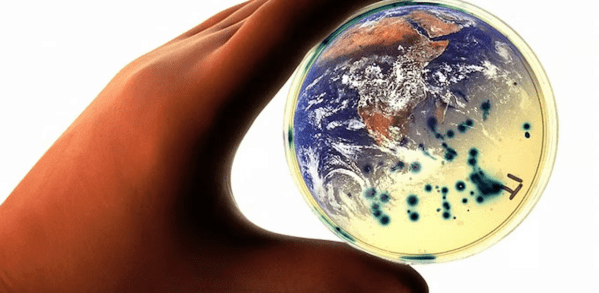
In this blog, Lana El-Etr examines the legal and ethical implications of patenting fully synthetic minimal cells, organisms engineered with only the essential genes for life. While a few Supreme Court decisions provide some guidance, this blog argues for updated patent standards that clearly define what qualifies as synthetic and patentable, guard against monopolization of foundational biological tools, and promote equitable access to medical and biotechnological advancements.
Protecting American Interests in Algorithmic IP: Lessons from the Protecting Americans from Foreign Adversary Controlled Applications Act (PAFACA)
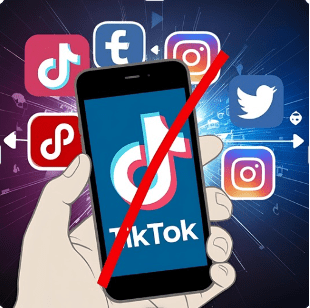
In this blog, Porter Richards explores the intellectual property implications of the Protecting Americans from Foreign Adversary Controlled Applications Act (PAFACA). He argues that while the bill is intended to address national security threats posed by foreign-controlled platforms like TikTok, it also raises critical concerns about the ownership, regulation, and protection of algorithm-based IP.
OK, Computer: The Dangers of AI Chatbots
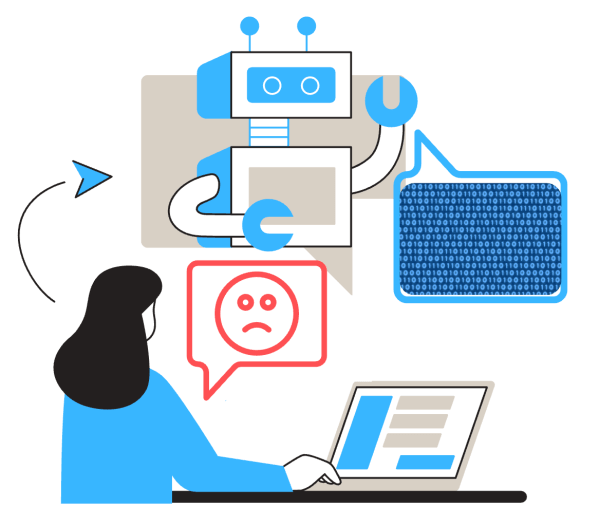
The increased use of AI chatbots for both business and personal use has presented a slew of problems. In this blog, Jen Neal explores the problems that AI chatbots have caused consumers and businesses alike. New court decisions and pending caselaw appear to indicate that premature, unmonitored rollouts of new technology can have serious consequences.
Who Owns Your DNA? The Privacy Nightmare of At-Home Genetic Tests
In this article, Lana El-Etr explores the legal and ethical risks of direct-to-consumer genetic testing, highlighting gaps in data privacy and intellectual property laws. She calls for stronger regulations to protect consumer data, ensure informed consent, and prevent monopolization of genetic information.
John Doe Summons and the Fourth Amendment: The IRS’s Power vs. Digital Privacy
In this article, Porter Richards examines the IRS’s use of the John Doe Summons and its implications for Fourth Amendment privacy rights. He argues that while courts have upheld these summonses under the third-party doctrine, the rise of digital financial data challenges this framework. As technology evolves, stricter judicial oversight may be needed to balance tax enforcement with constitutional protections.
A Copyright Story You Can Sink Your Teeth Into: The Intellectual Property Journey of Vampires
In this article, Jen Neal discusses how vampires changed from ghastly ghouls of lore to the mysterious elites we think of today. The copyright journey of the archetypal vampire in literature, film, and beyond. Classic vampire tropes have permeated public perception to a point that they should be public domain.