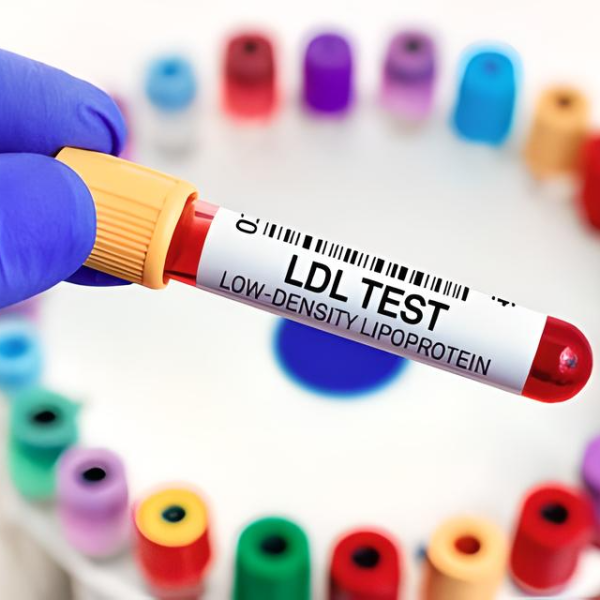
In this article, Lana El-Etr examines how the Amgen v. Sanofi ruling strengthens the enablement requirement, limiting overly broad genus claims while promoting innovation and ensuring accessibility to scientific advancements. She explores the broader implications of the decision, arguing that it strikes a necessary balance between protecting genuine innovation and preventing monopolies on vaguely defined scientific concepts.
Janssen v. Teva: Clarifying Obviousness in Drug Modifications and Dosages, and its Impact on Pharmaceutical Patents
In this article, Ivette Rodriguez Nieves explores the Federal Circuit’s decision in Janssen Pharmaceuticals v. Teva Pharmaceuticals and what it means for future patent approvals based on modifications.
The E-SIGN Act in the Age of Smart Contracts and AI: Challenges and Opportunities
In this article, Porter Richards examines whether the current state of the E-SIGN Act is viable in the age of smart contracts. He argues that while the E-SIGN Act ensures enforceability and consumer protections, emerging smart contracts, and AI-driven agreements challenge its applicability. As these technologies evolve, legal updates may be needed to address consent, transparency, and enforcement in automated digital contracts.
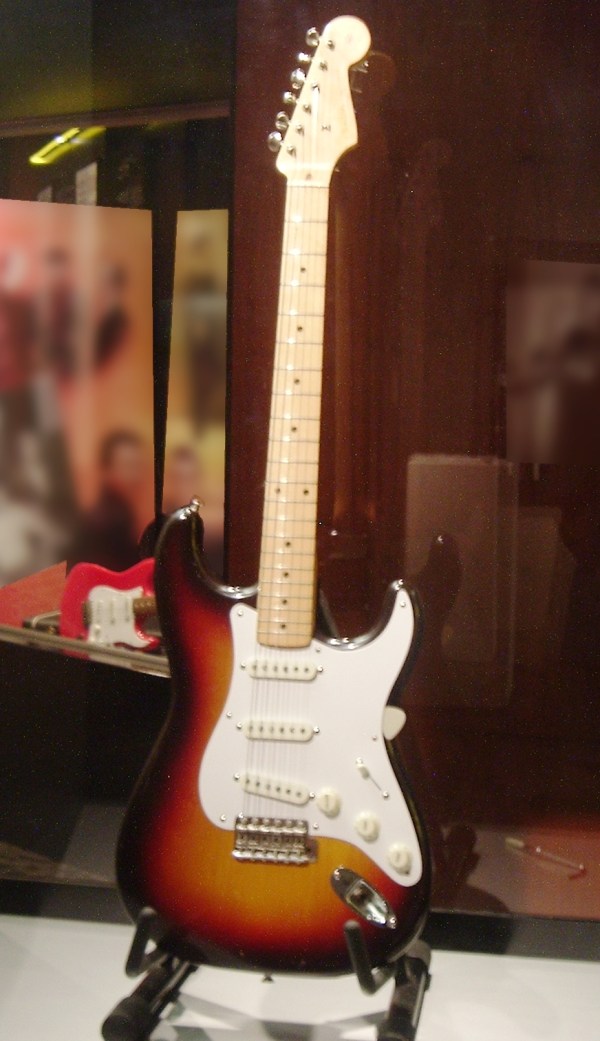
Says the Texas Statutory Right of Publicity: “I Look Just Like Buddy Holly”
In this article, Connor Frankhouser discusses how Buddy Holly changed rock ’n’ roll and–thanks to his widow–he also changed Texas law. This new piece dives into how the legacies of our favorite artists are posthumously protected–or not–in a rapidly evolving digital landscape.
AI Discrimination: How Data Security Law Might Be the Solution
In this article, Sarah Saadeh discusses the dangers of AI biases and current regulation surrounding the area. The image for this article was AI Generated by asking the AI to give an image of a ‘stunning woman’.
You Wouldn’t Help Someone Download a Car: Contributory Infringement as a Doctrine to Combat Online Music Piracy
In this article, Jackson Weist details an ongoing copyright infringement case between major music labels and Verizon, and how the law allows the labels to sue Verizon despite no direct copyright infringement.